
















Design and Performance of Copper Wire Mesh Faraday Cages for Electromagnetic Interference Control
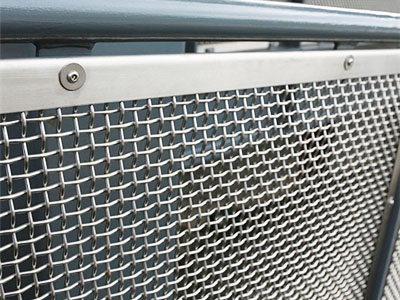
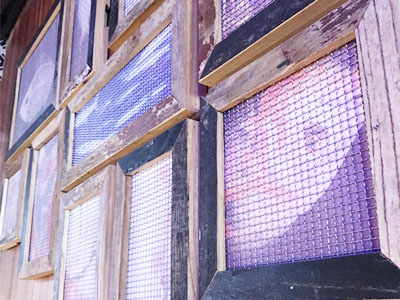
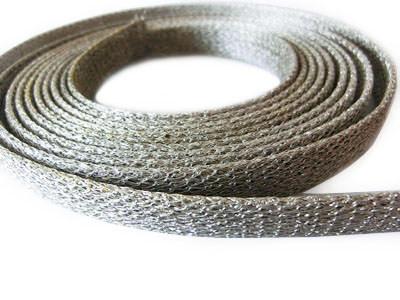
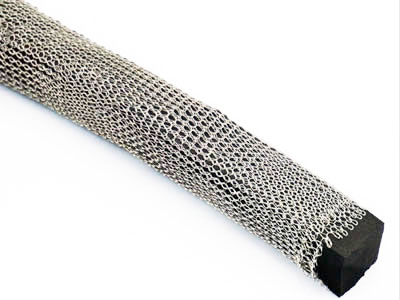
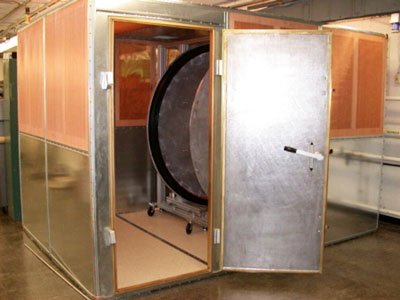
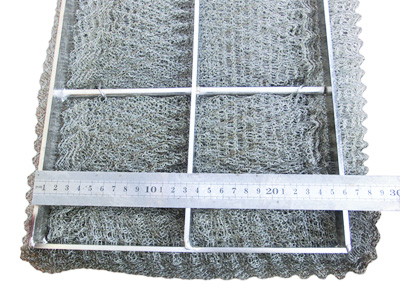
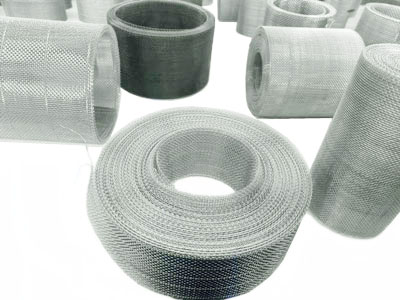
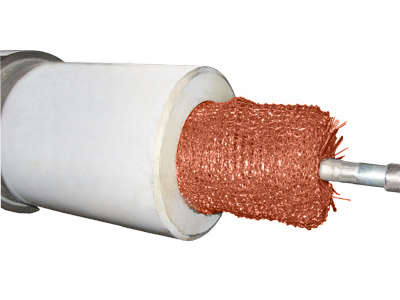
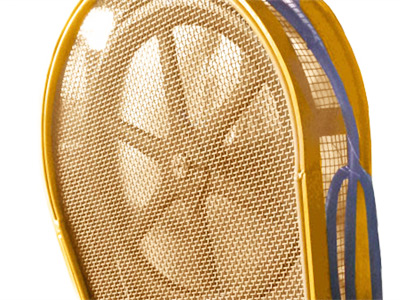
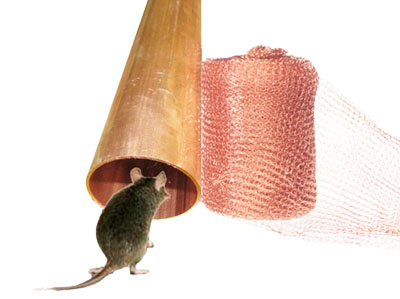
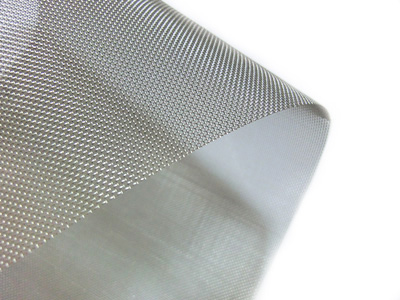
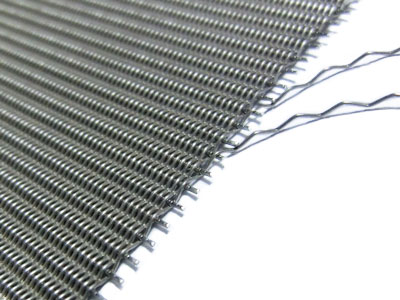
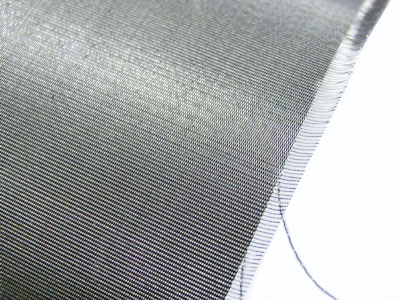
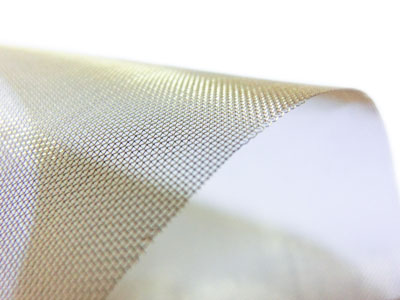
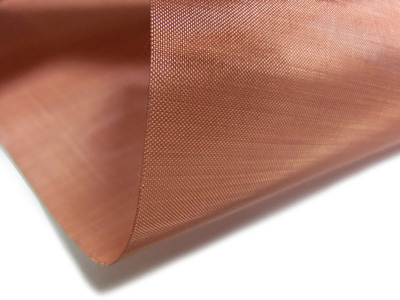
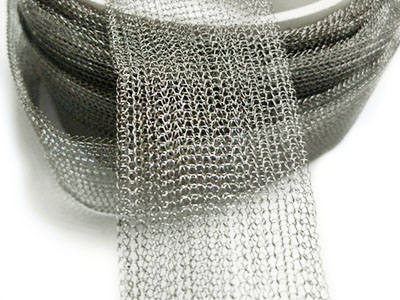
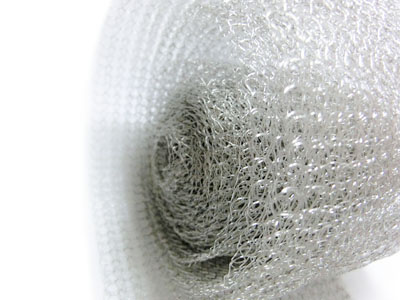
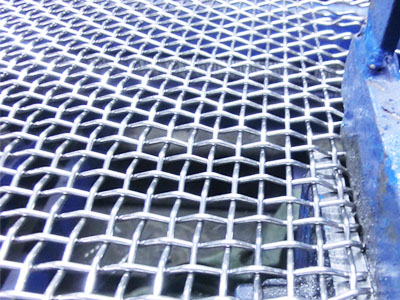
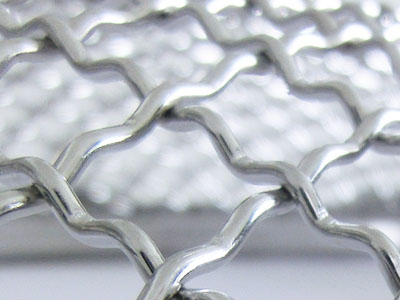
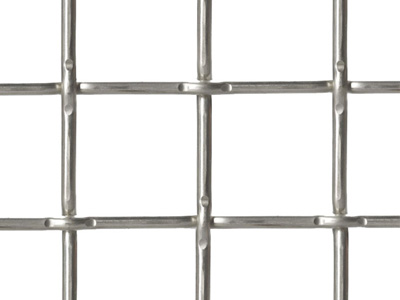
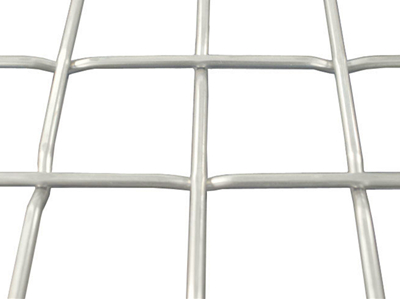
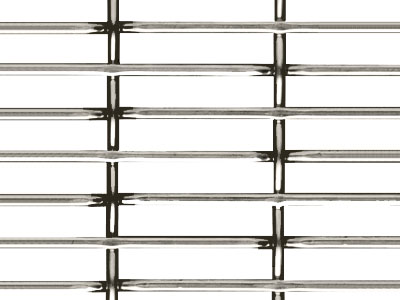
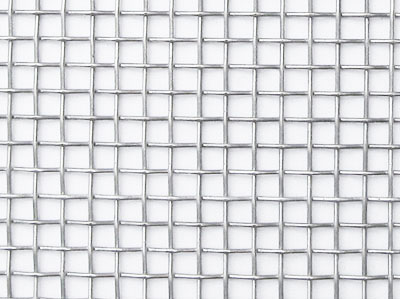
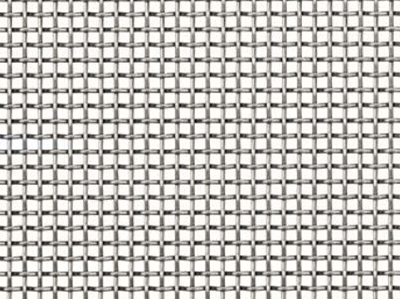
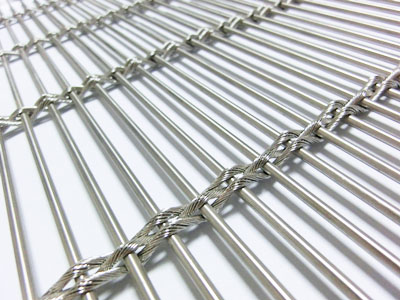
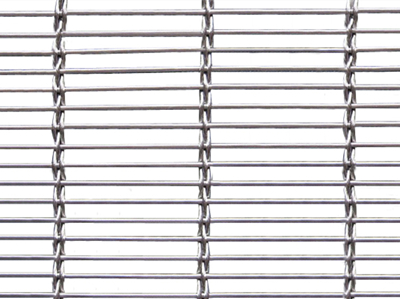
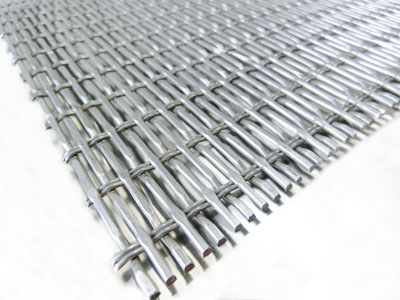
A copper wire mesh shielding cage, commonly referred to as a Faraday cage, is an enclosure designed to attenuate external electric fields and electromagnetic interference (EMI). The cage is constructed using a conductive metal mesh with uniformly distributed apertures. Each aperture behaves as a closed conductive loop, in which incident electromagnetic fields induce surface currents. These currents generate opposing electromagnetic fields that effectively cancel or significantly reduce the penetration of external signals into the enclosed space.
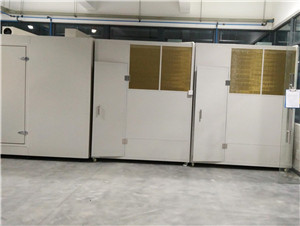
The shielding effectiveness of a Faraday cage depends on factors such as mesh density, wire diameter, material conductivity, and grounding quality. Copper wire mesh is widely used due to its high electrical conductivity and stable shielding performance across a broad frequency range, from low-frequency electric fields to high-frequency radio-frequency (RF) interference.
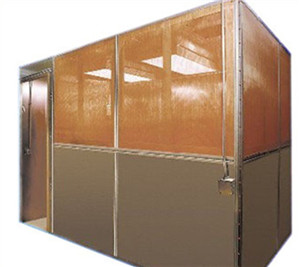
In laboratory environments, shielding cages are critical for reducing electrical noise that can compromise measurement accuracy. Typical noise sources include fluorescent lamps, switching power supplies, computers, radio transmitters, and nearby electronic instrumentation. In electrophysiology and other low-signal measurement systems, only essential components—such as microscopes and probes—are placed inside the shielding enclosure. Signal processing units, amplifiers, computers, and control systems are typically located outside the cage and connected through filtered and grounded interfaces to minimize noise coupling.
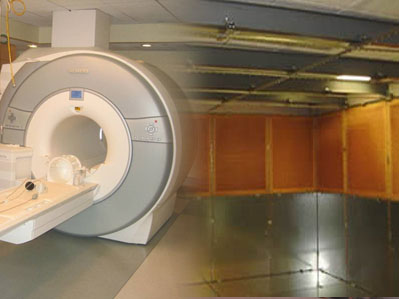
Copper wire mesh shielding cages are widely applied in electrophysiology, chemical sensing, confocal microscopy, precision electronics testing, and RF measurement systems, where control of static charge and electromagnetic interference is essential. By reducing both broadband and narrowband interference, the shielding cage significantly improves the signal-to-noise ratio (SNR) and overall measurement stability.